🍞 The Great Vegemite Challenge
Love it or hate it? Vegemite is one of Australia's most famous — and most divisive — foods. Let's find out what it's really made of.
🇦🇺 What is Vegemite?
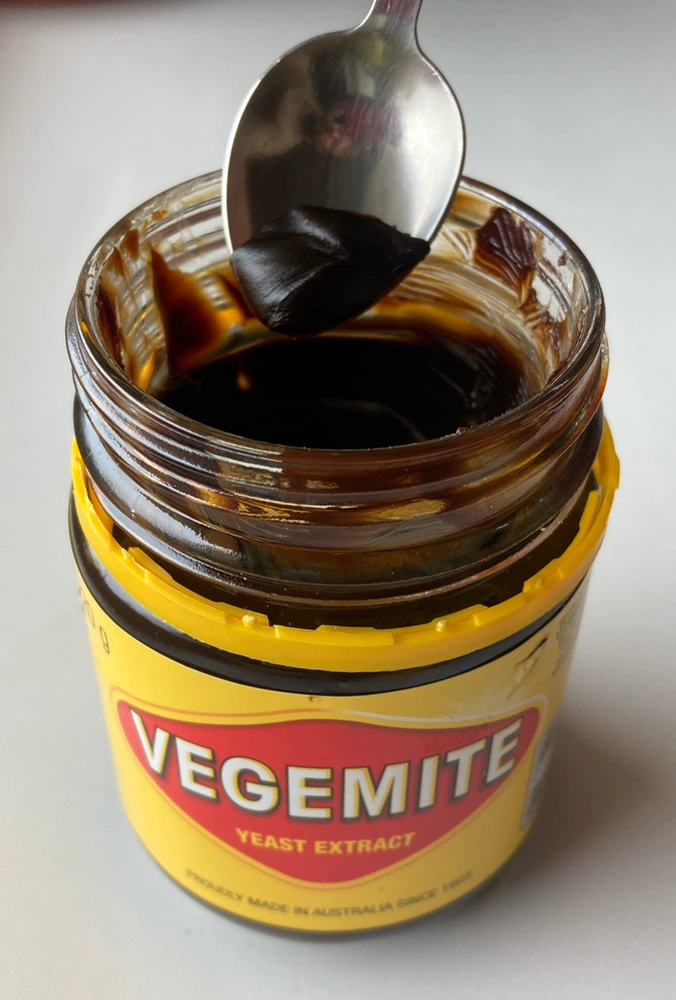
Vegemite /ˈvɛdʒəˌmaɪt/ is one of Australia's most iconic foods. It was invented in 1922 by food scientist Cyril Callister, who found a way to use leftover brewer's yeast extract instead of throwing it away.
Most Australians grow up eating it — usually spread very thinly on buttered toast for breakfast (a thick layer is considered a beginner's mistake!). It's also popular in school lunches, on crackers, or mixed into cheese on toast.
For many non-Australians, the strong, salty taste is a shock the first time they try it. In fact, watching a friend's face after their first taste of Vegemite has almost become a tradition for Australians travelling abroad.
👅 Describe the taste
Look at the picture above. Even if you've never tried Vegemite, imagine the taste based on how it looks and what you've read. Here are some useful adjectives:
salty · bitter · savoury (umami) · tangy · sticky · thick · strong · intense · yeasty · malty · sharp · an acquired taste
Imagine tasting Vegemite for the very first time. Describe the experience in English — use at least four adjectives from the list (or your own).
🍞 How to eat it (properly)
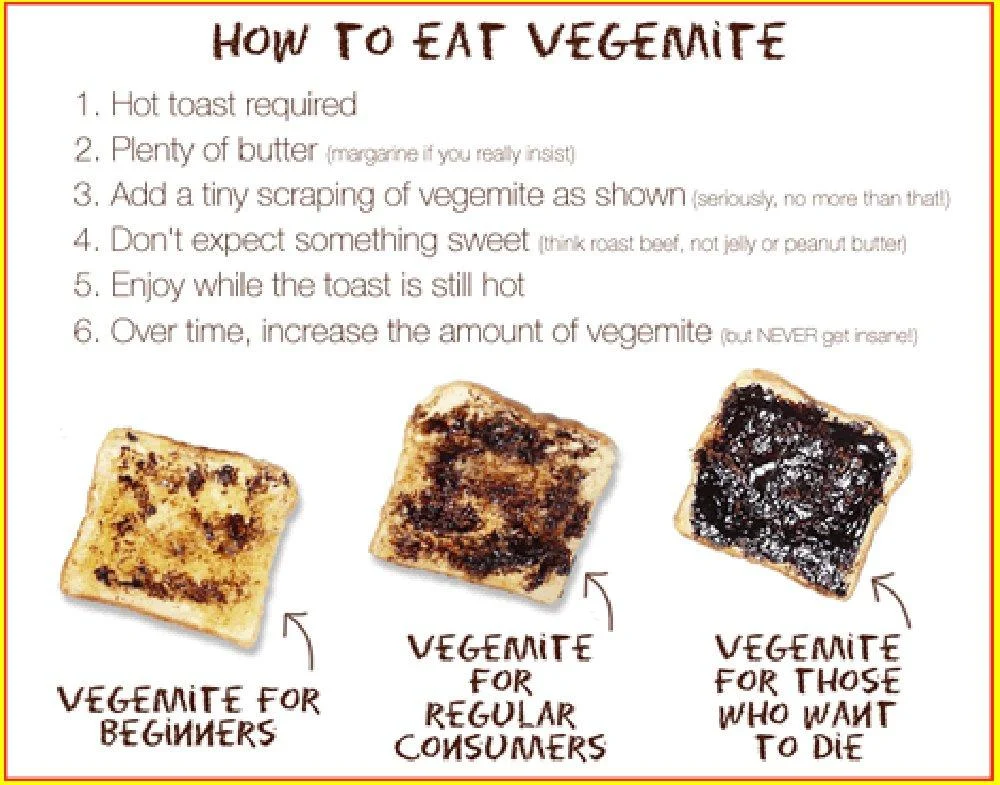
According to the picture, what are the rules for eating Vegemite "properly"? Name at least two.
Why do you think the third slice is jokingly labelled "for those who want to die"?
🏷️ Match the ingredients
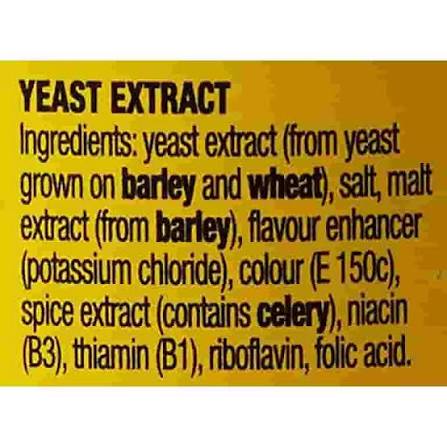
Drag each ingredient to what it actually does in Vegemite.
❤️🩹 Healthy or unhealthy?
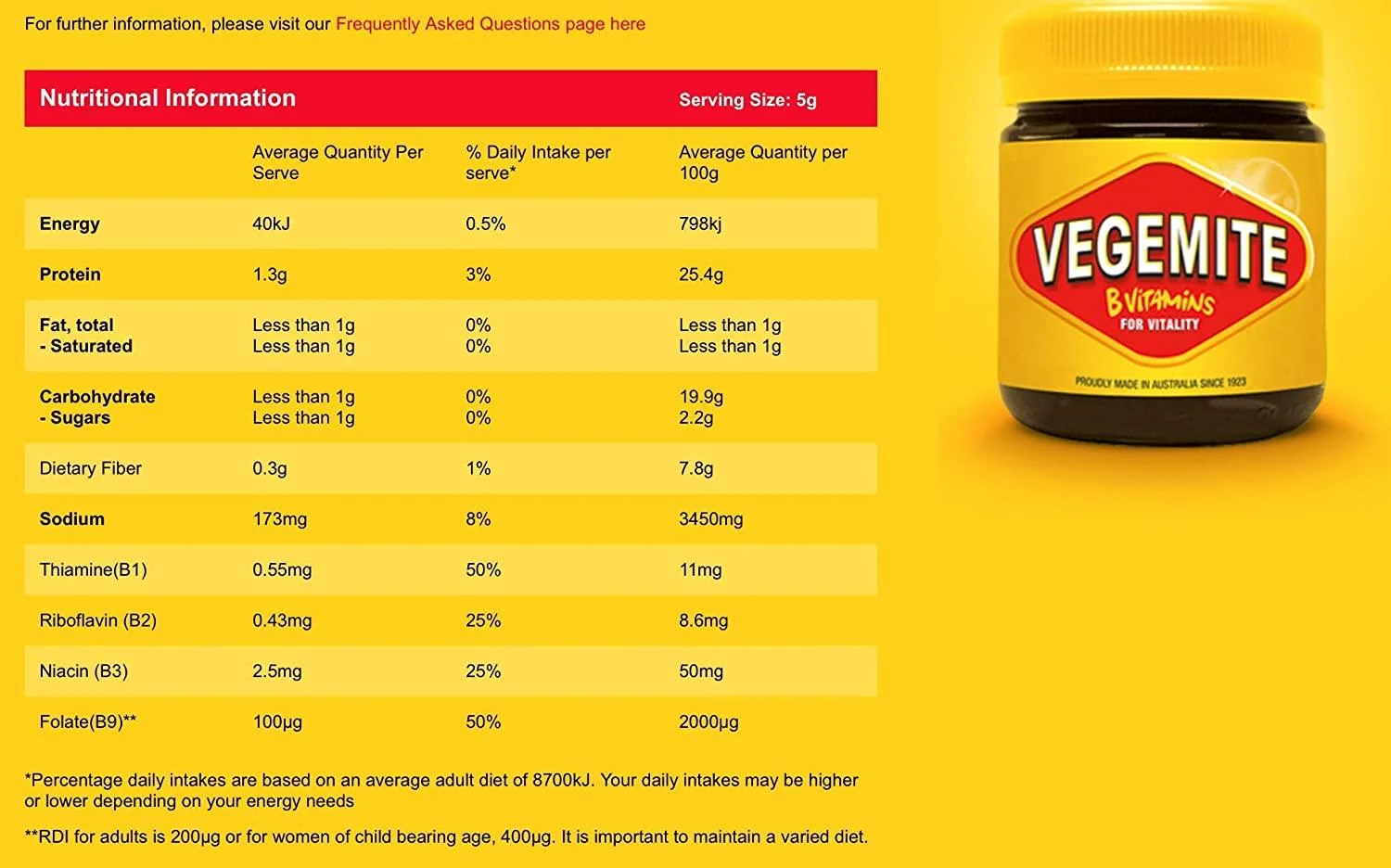
Look at the nutrition table. Is Vegemite healthy or unhealthy? Think about: the sodium (salt) content, the B vitamins, the sugar and fat content. Explain your opinion in English.
📸 Your turn!
Now get creative. Choose one (or both!) of these tasks:
Take a photo of your own breakfast this week (or draw it), and describe it in English: What's in it? How does it taste? Is it healthy? Bring your photo or drawing to class.
Invent your own Vegemite combination — what would you put it with? (For example: Vegemite grilled cheese, Vegemite avocado toast …) Give it a fun name and describe why it would taste amazing — or terrible!
📮 Submit your answers
Well done!
Your answers have been saved for your teacher. Don't forget to bring your breakfast photo or drawing to class!