🌡️ Mission F · India and Climate Change
Who caused it, who suffers from it, and who has to fix it?
📖 Background briefing
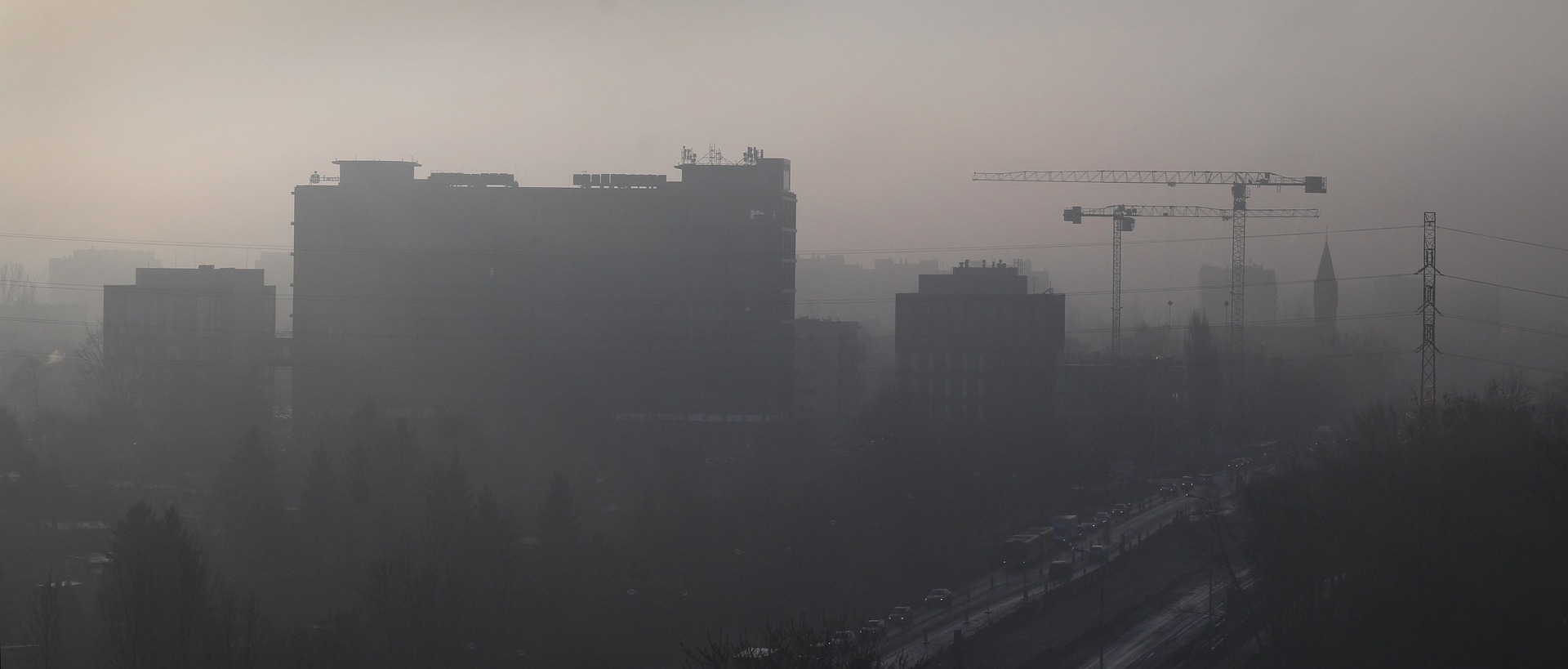
The air: Delhi regularly ranks among the most polluted capital cities in the world, especially in winter, when vehicle exhaust, industrial emissions and smoke from crop-stubble burning in nearby states combine into thick smog. On the worst days, schools have been forced to close and flights delayed because visibility drops so low.
The heat: Heat waves in India have become more frequent and more extreme, with temperatures in some regions passing 45–50°C in recent years. This hits outdoor workers — farmers, construction workers, street vendors — hardest, since they often can't simply stay indoors.
The water: In 2019, the city of Chennai came close to "Day Zero" — the point where a city's main water reservoirs run completely dry. Across India, groundwater is being pumped out faster than monsoon rains can refill it, and a good or bad monsoon season can make the difference between a normal year and a crisis for millions of farmers.
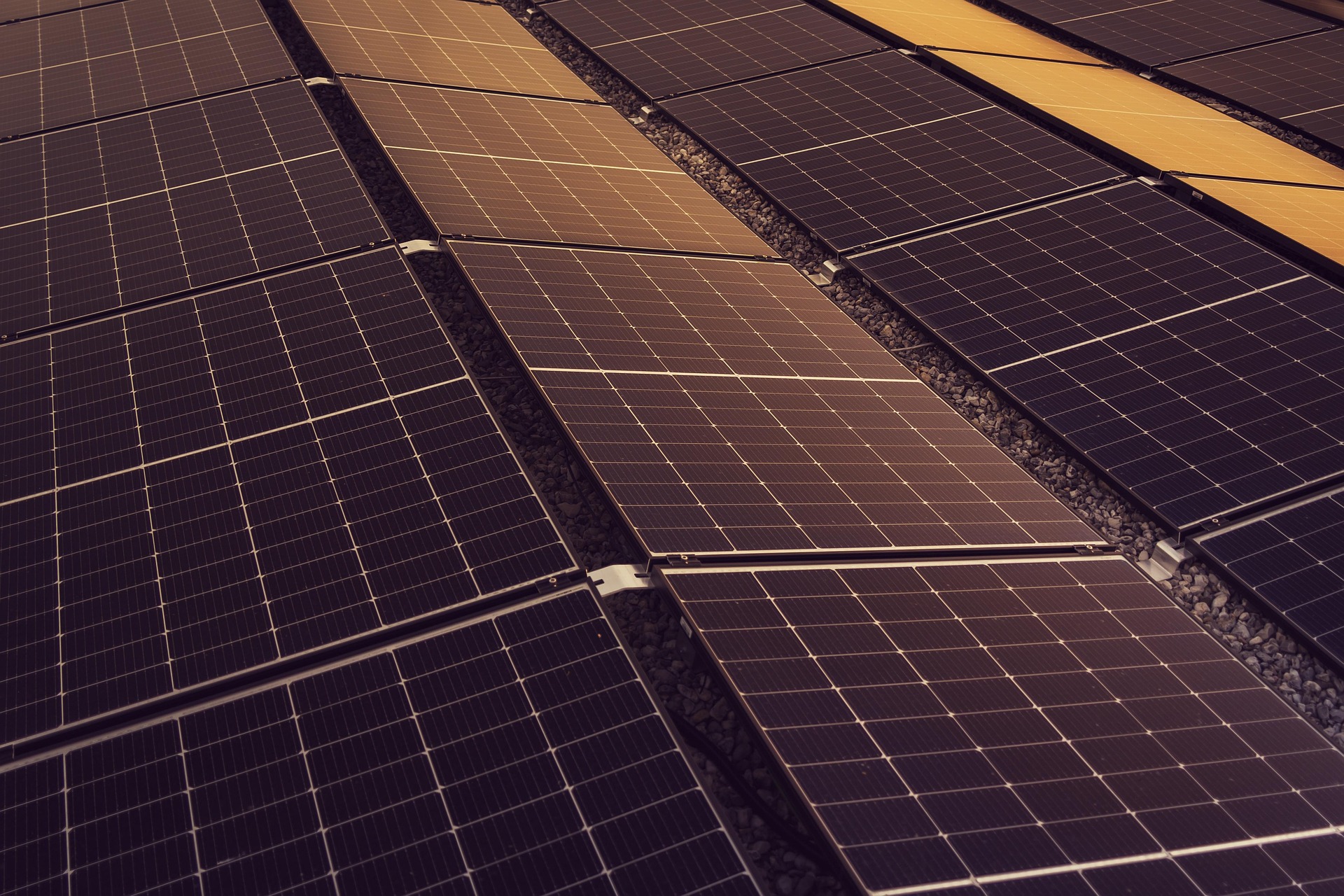
The complicated part: India is investing heavily in renewable energy — it co-founded the International Solar Alliance and has some of the world's largest solar power plants — but is still highly dependent on coal for electricity. And there's a fairness question that comes up in almost every global climate discussion: India's total emissions are high because of its huge population, but its emissions per person are far lower than in most wealthy countries, which industrialised — and polluted — a century earlier.
 Smog over a city skyline
On the worst air-quality days, buildings just a few streets away can disappear into haze — a scene familiar in Delhi every winter.
Smog over a city skyline
On the worst air-quality days, buildings just a few streets away can disappear into haze — a scene familiar in Delhi every winter.
 A solar power plant
India has built some of the largest solar parks in the world as part of its renewable energy push.
A solar power plant
India has built some of the largest solar parks in the world as part of its renewable energy push.
What happened in Chennai in 2019, and why?
Why can India's climate record look very different depending on whether you look at total emissions or emissions per person?
Name one renewable-energy effort and one way India still depends on fossil fuels.
📄 Build your product: UN climate briefing
Your team is writing a short official-style briefing document, as if for a United Nations climate conference, titled "Briefing: Climate Change in India." Briefings are written in clear, formal, factual language — no slang, short paragraphs, headed sections.
Summarise the current situation in 3–4 sentences (air, heat, water).
List the two or three biggest risks if nothing changes.
Write two or three concrete recommendations — for India's government, for wealthy countries, or for both.
Submit your mission
Enter your name and class, then submit. Bring your briefing to Phase 4 for the class exhibition.
Nicely done
Your briefing is saved. Head to the Global Challenge Lab once all teams have finished Phase 2.