🏛️ Mission D · The Legacy of the British Empire
What does a country keep from its coloniser — and what does it fight to leave behind?
📖 Background briefing
From trading company to empire: The British East India Company arrived in India in the early 1600s to trade — but gradually took political and military control of large parts of the subcontinent. After a major uprising in 1857, the British Crown took over direct rule. This period, known as the British Raj, lasted from 1858 until 1947.
What colonial rule cost India: Britain built railways, a postal system and a legal system across India — largely to move troops and export raw materials efficiently, not for India's benefit. India's own textile industry, once one of the largest in the world, was deliberately undercut in favour of British factories. Famines under colonial rule, such as the Bengal famine of 1943, killed millions — worsened by British policy decisions during the Second World War. Economic historians estimate that an enormous amount of wealth was extracted from India during colonial rule.
The fight for independence: Mahatma Gandhi became the movement's most famous leader, promoting satyagraha — nonviolent resistance. In 1930, he led the Salt March, walking 385 km to the sea to make salt illegally, protesting a British salt tax — a simple act that became a powerful symbol. India finally gained independence on 15 August 1947. Gandhi was assassinated less than six months later, in January 1948.
What's left behind: English remains one of India's official languages and the language of higher education, business and the IT industry — a legacy that today gives India a real economic advantage. The railway network the British built is still one of the largest in the world. But debates continue: should the British Museum return Indian artefacts, such as items taken during colonial rule? Was the railway network really "for India," or built to control it? There's no single answer.
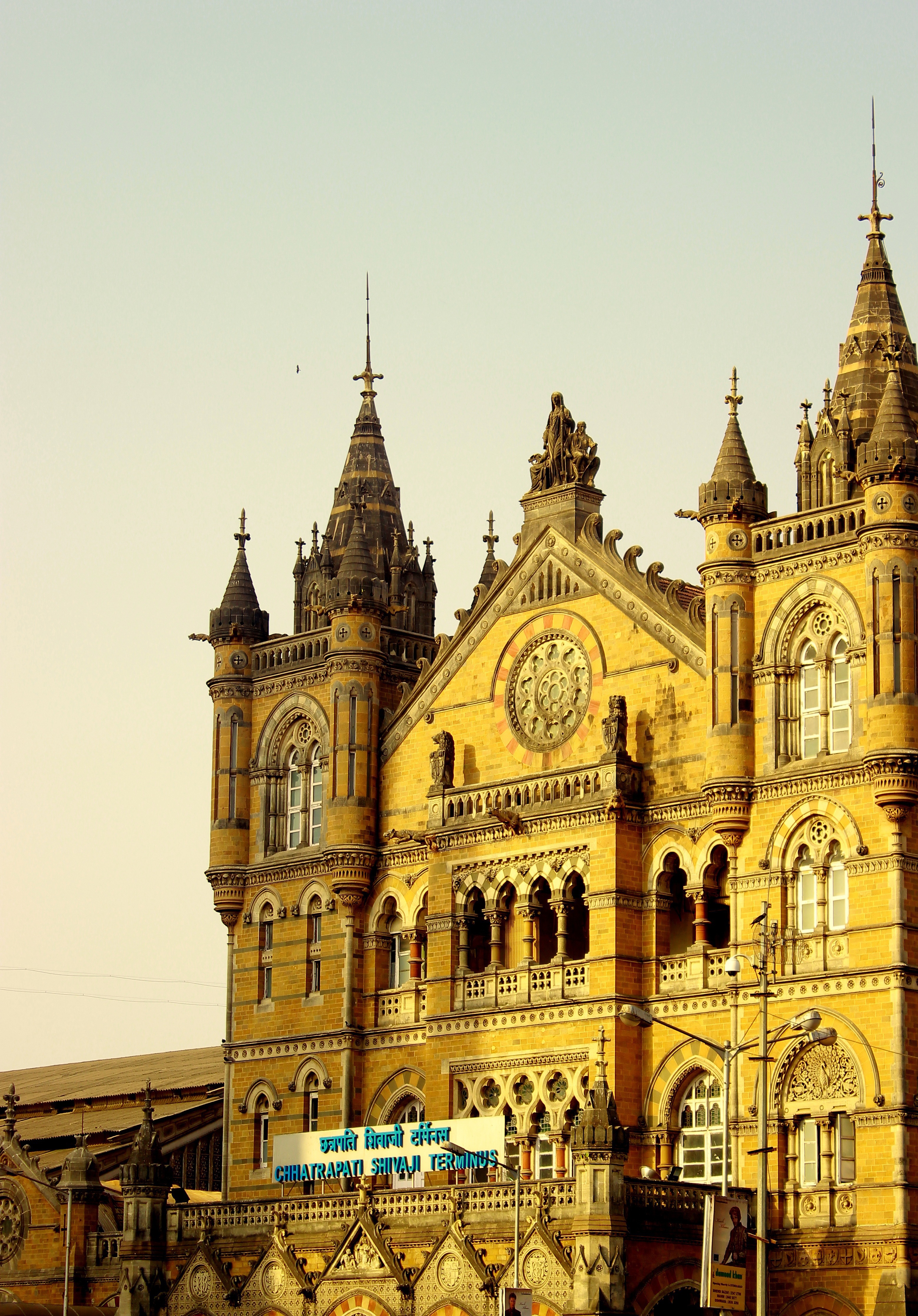 Chhatrapati Shivaji Terminus
Completed in 1887 and originally named Victoria Terminus, this Mumbai station blends Victorian Gothic style with Indian architectural details. It's still one of India's busiest stations today, and a UNESCO World Heritage Site.
Chhatrapati Shivaji Terminus
Completed in 1887 and originally named Victoria Terminus, this Mumbai station blends Victorian Gothic style with Indian architectural details. It's still one of India's busiest stations today, and a UNESCO World Heritage Site.
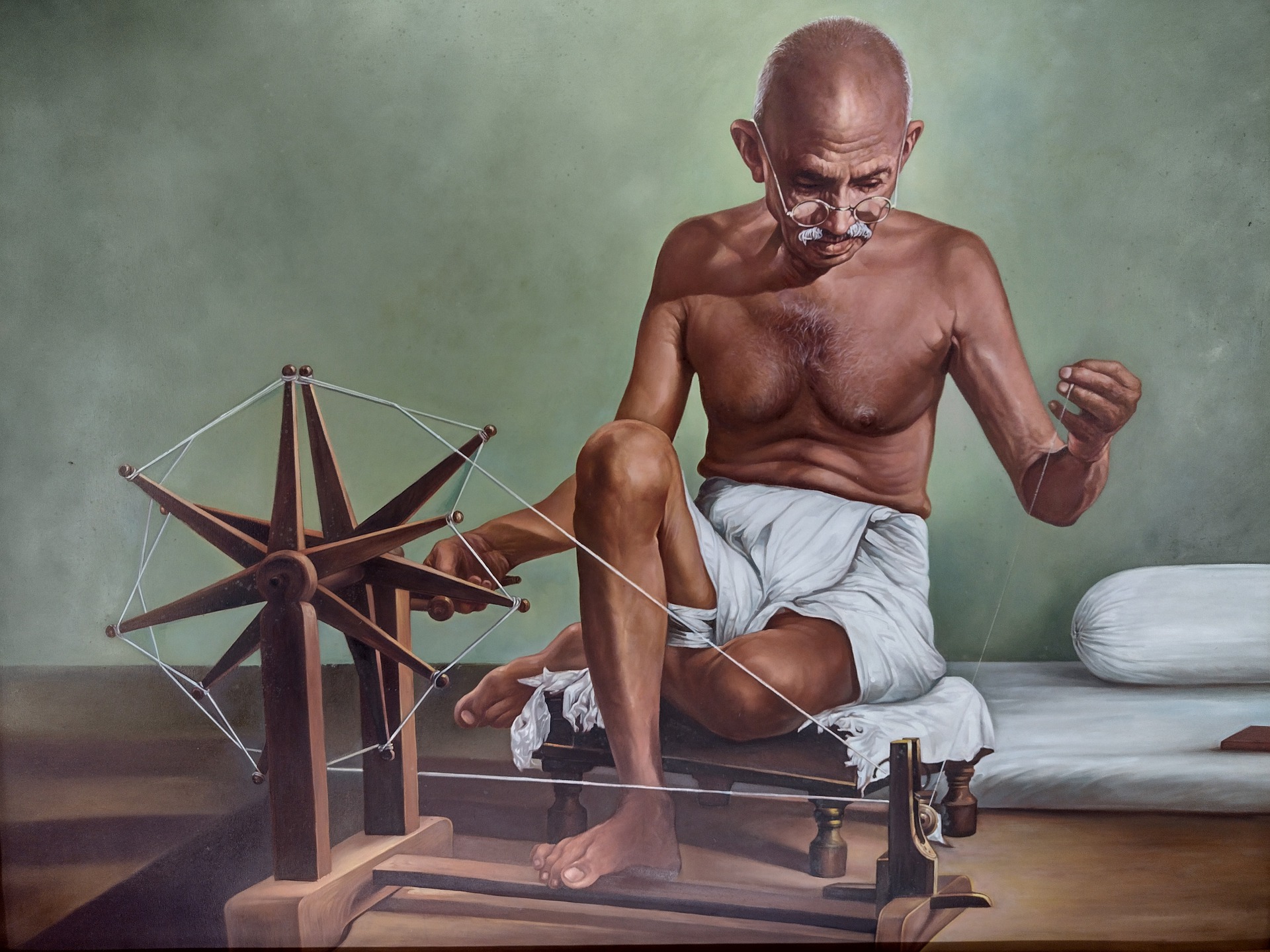 The charkha (spinning wheel)
Gandhi promoted spinning your own cloth as a symbol of self-reliance and resistance to British textile imports — it later appeared on early versions of the Indian flag.
The charkha (spinning wheel)
Gandhi promoted spinning your own cloth as a symbol of self-reliance and resistance to British textile imports — it later appeared on early versions of the Indian flag.
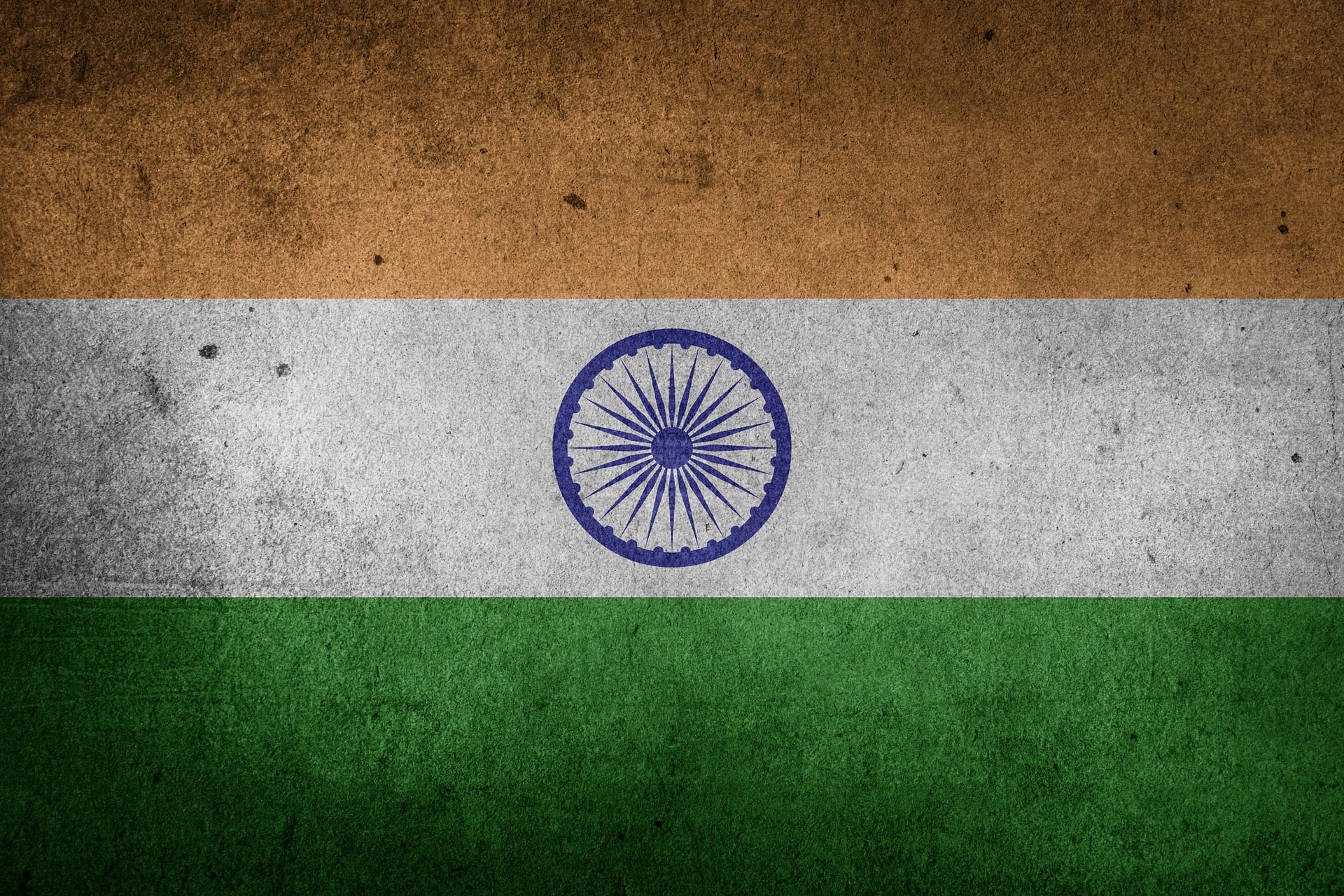 The Indian flag
Adopted on 22 July 1947, weeks before independence. The blue wheel is the Ashoka Chakra, representing law and progress — it replaced the charkha from the independence movement's earlier flag.
The Indian flag
Adopted on 22 July 1947, weeks before independence. The blue wheel is the Ashoka Chakra, representing law and progress — it replaced the charkha from the independence movement's earlier flag.
How did the British East India Company end up ruling large parts of India?
What was satyagraha, and why was the Salt March a powerful protest?
Name one thing colonial rule left behind in India that is still debated today.
🏺 Build your product: museum exhibit text
Your team is writing the object labels for a small exhibit titled "Does Colonialism Still Matter Today?" A museum label has a short title, then 2–3 sentences explaining why the object matters. Write two labels below — you can use the railway station and the charkha from above, or choose your own objects (a map, a coin, a photograph, a document).
Object title:
Label text (2–3 sentences):
Object title:
Label text (2–3 sentences):
Answer the exhibit's title question in 2–3 sentences: does colonialism still matter today?
Submit your mission
Enter your name and class, then submit. Bring your exhibit text (and any objects/images you find) to Phase 4 for the class exhibition.
Nicely done
Your exhibit text is saved. Head to the Global Challenge Lab once all teams have finished Phase 2.